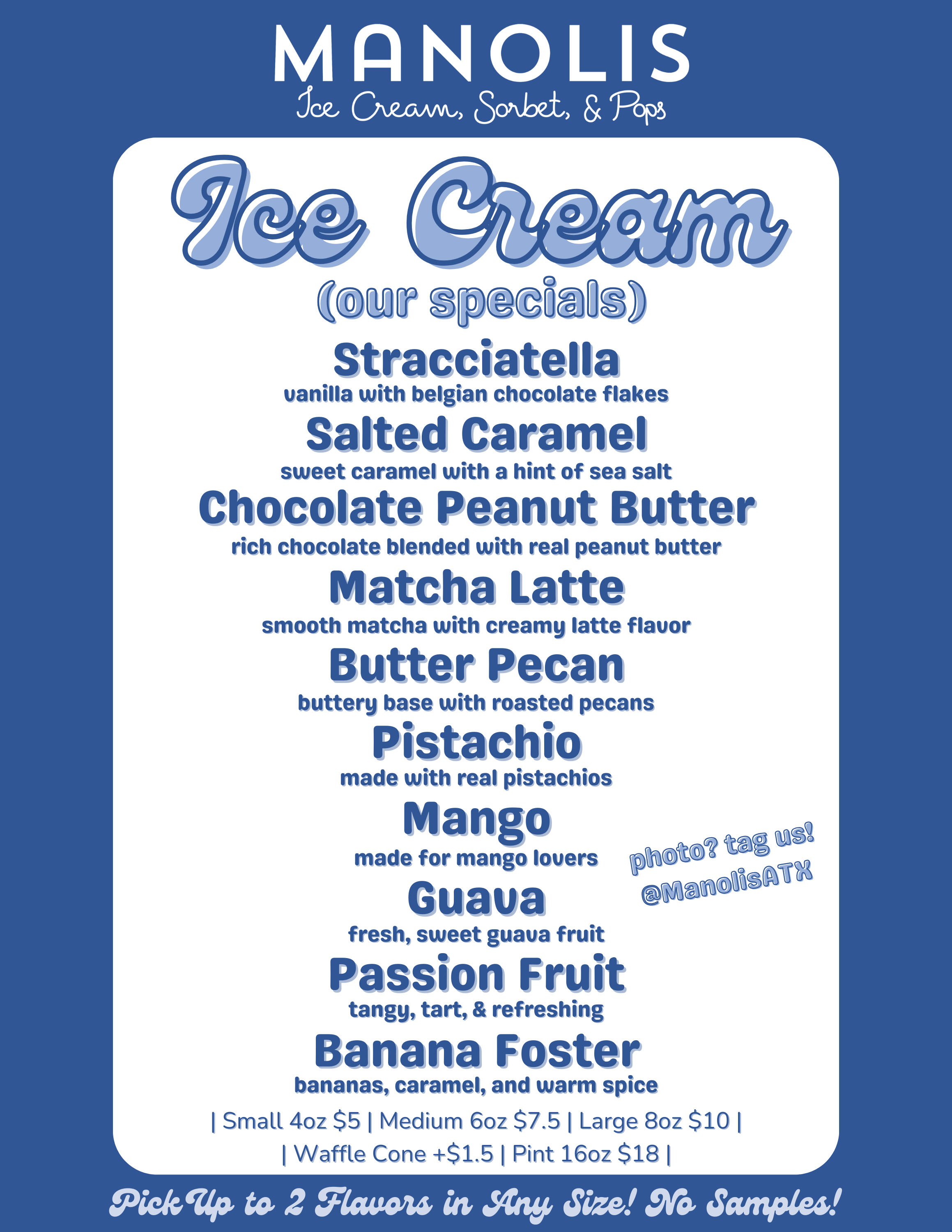
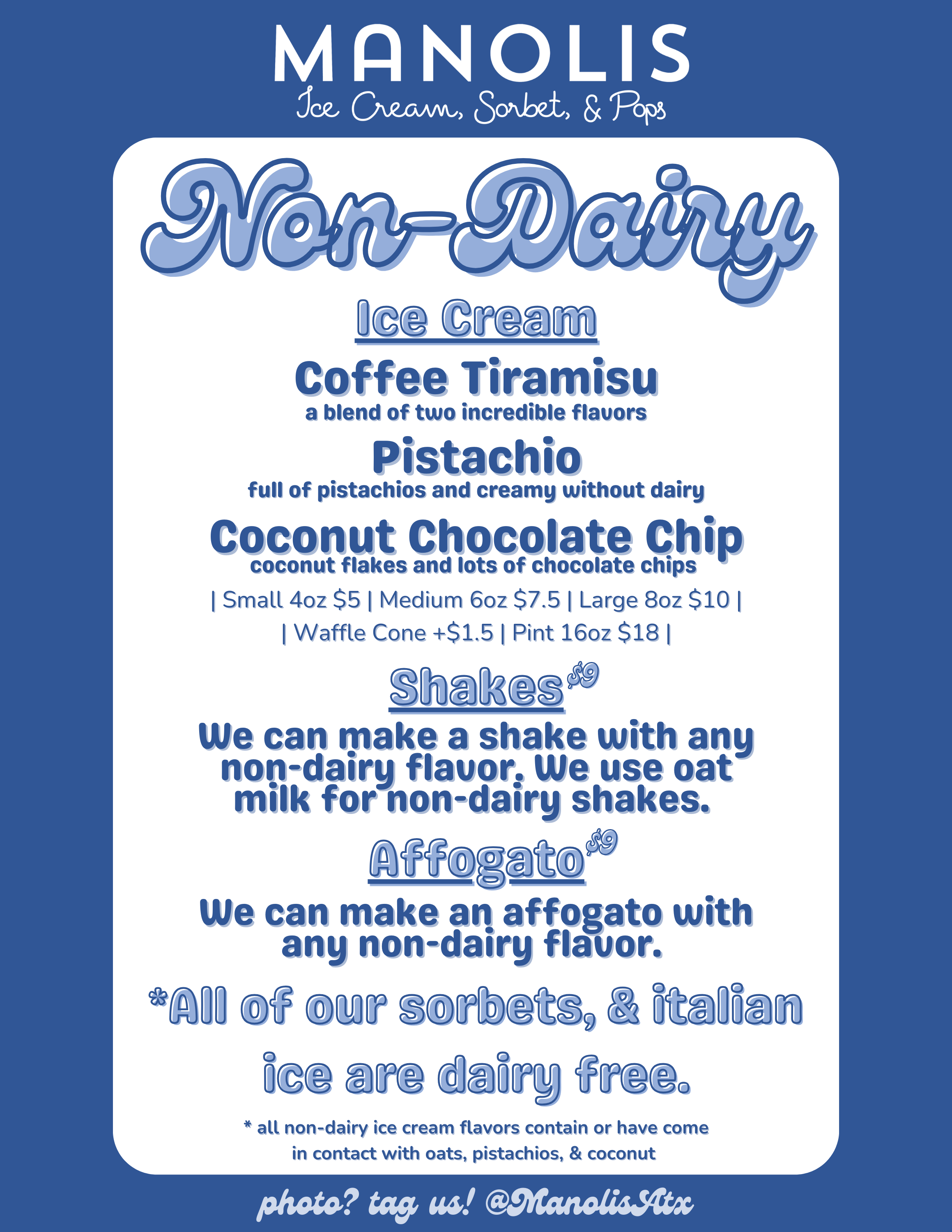
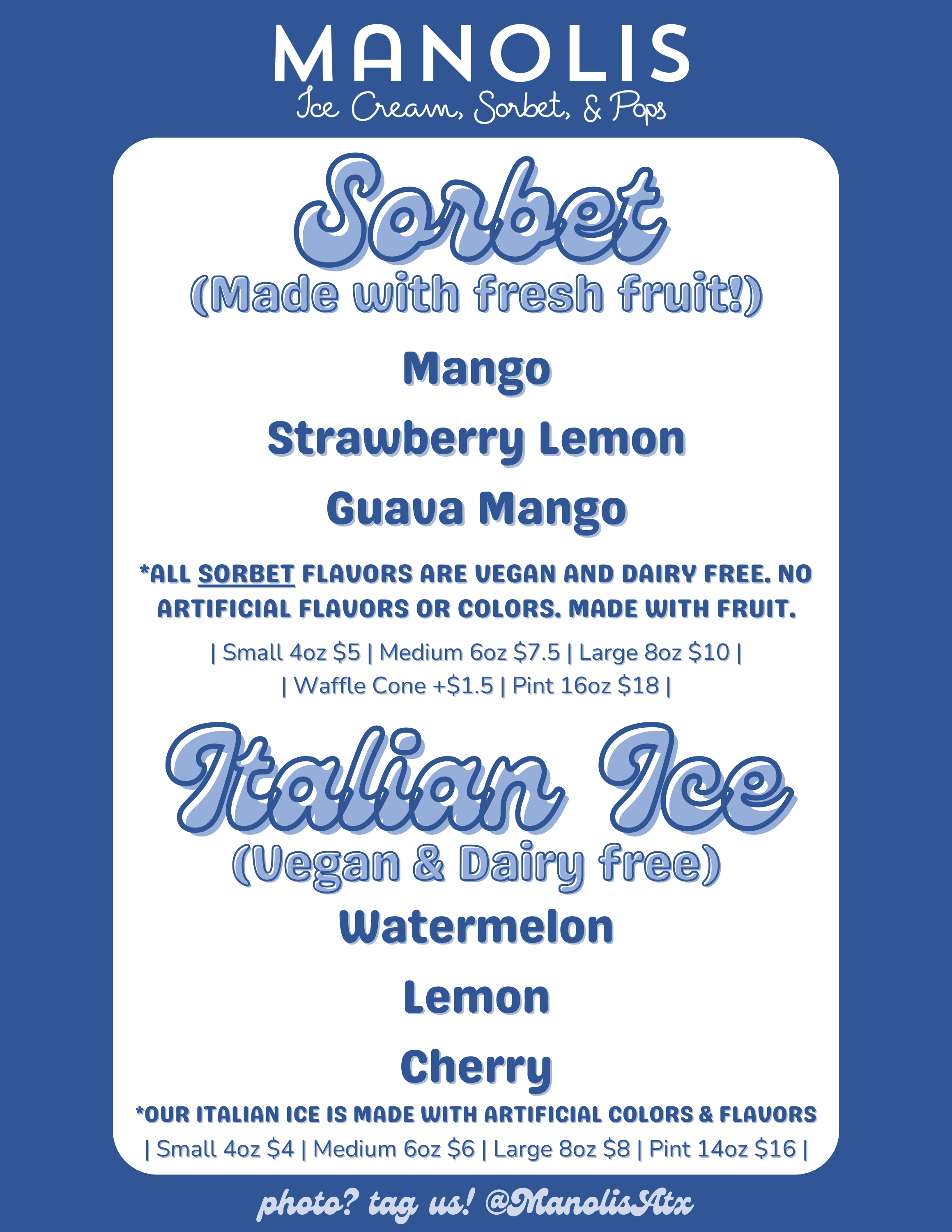
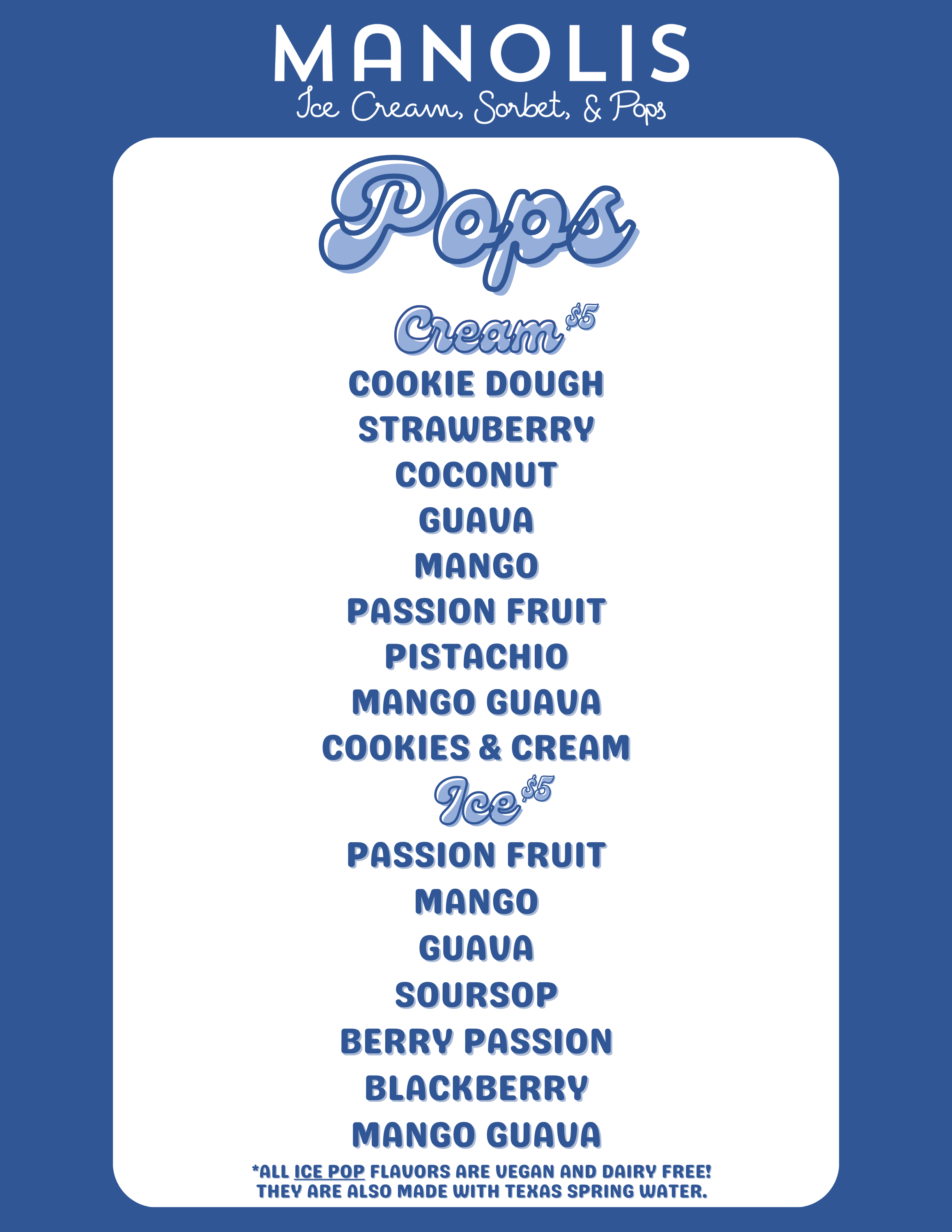
Manolis Ice Cream has been an Austin staple since 2019 — built from the ground up with zero guidelines. In 2026 I sharpened the whole operation: eight menus redesigned from scratch, and a full website rebuild — off Squarespace, onto a custom static SPA on Netlify with complete SEO infrastructure, interactive features, and a hidden Easter egg game.
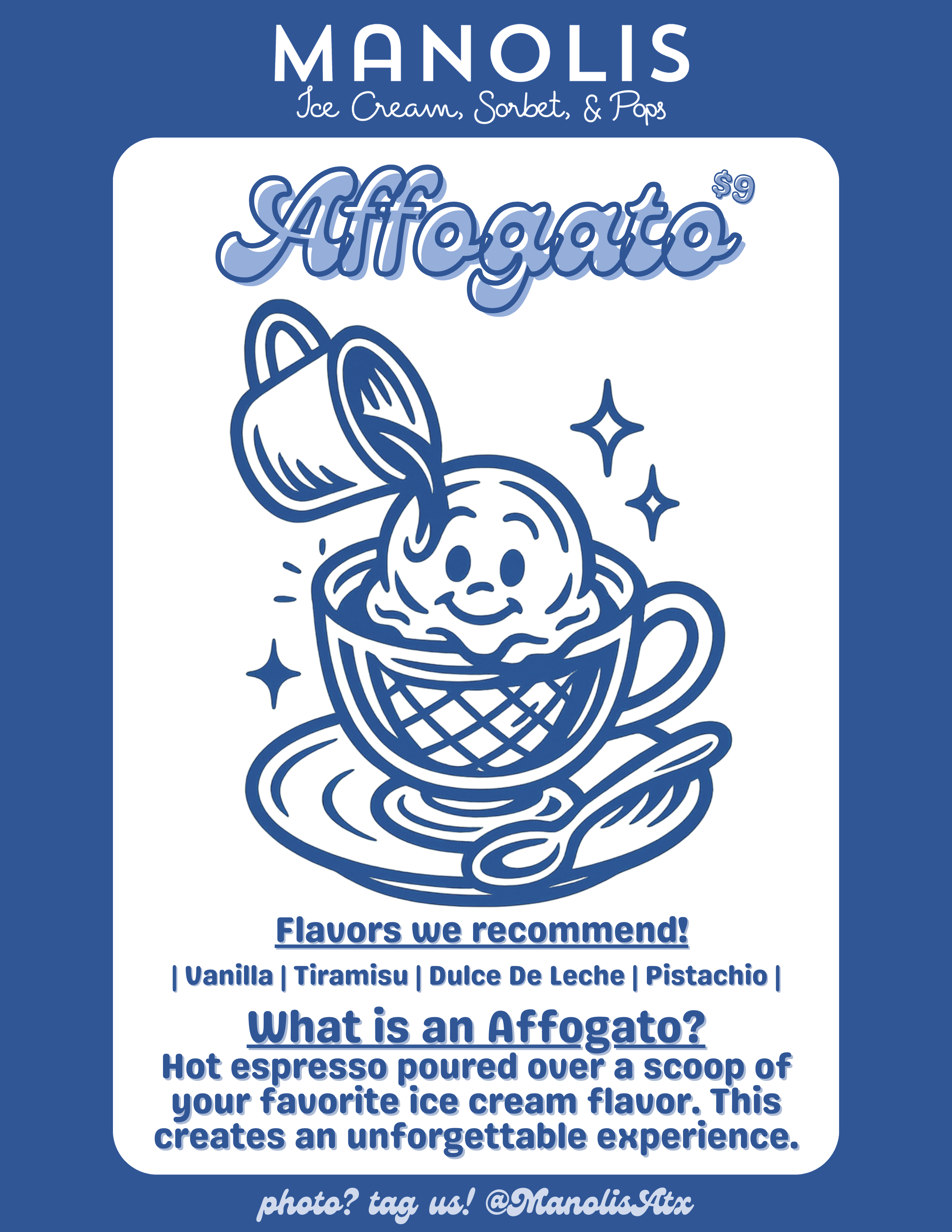
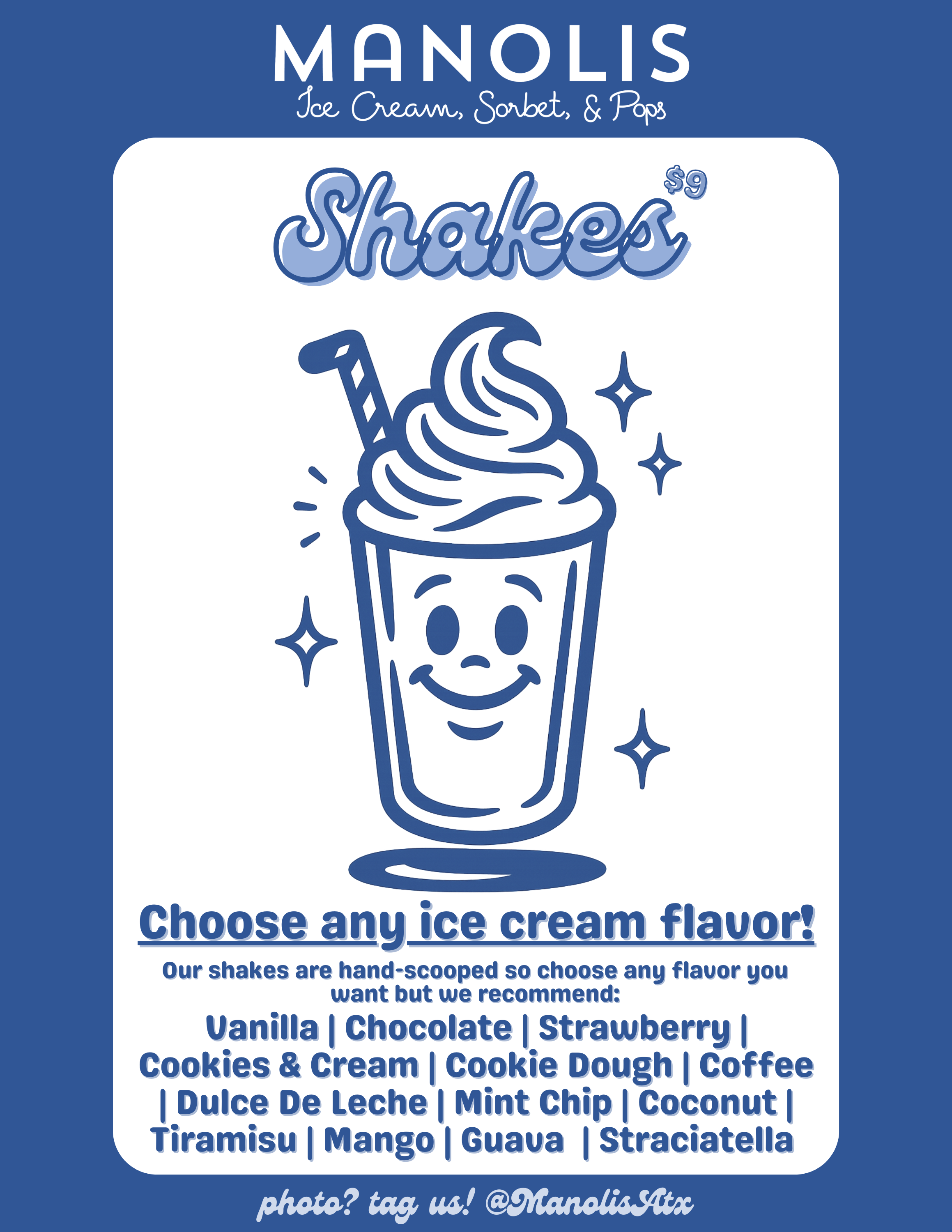
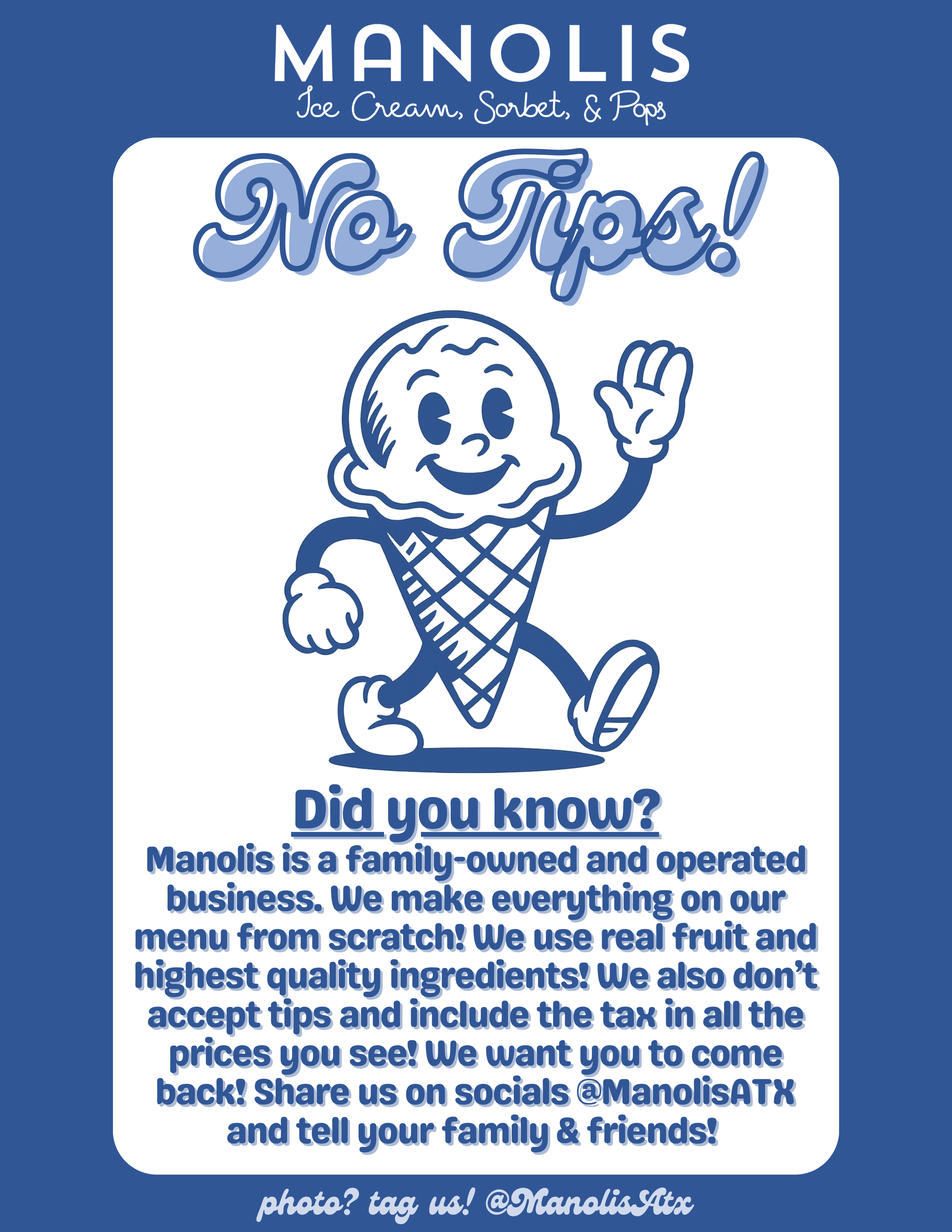
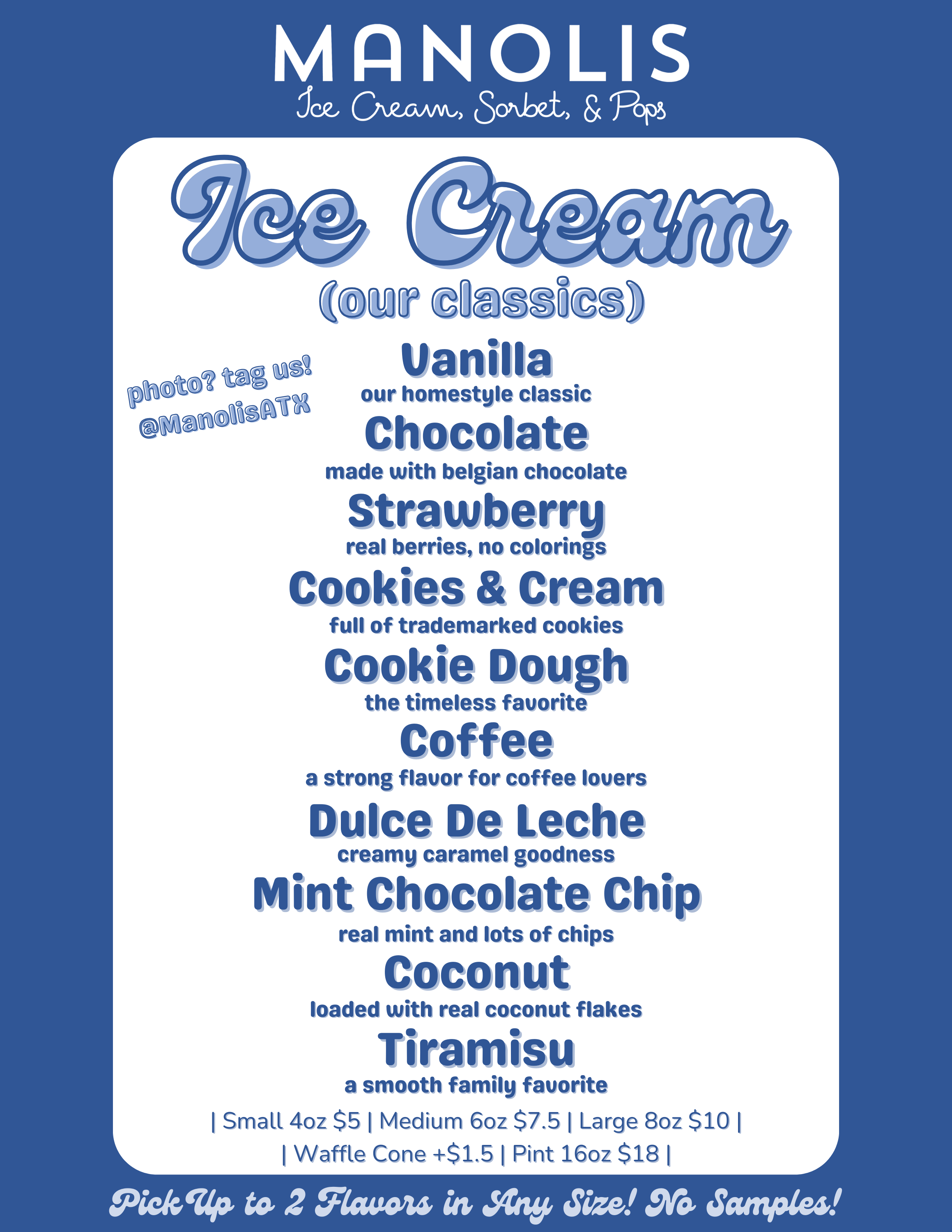
Full color. No pastries. Better hierarchy. Eight menus redesigned from scratch to match where the brand is now.
2019. A new food trailer. No logo, no guidelines, no precedent — just a family recipe and a dream of making everything by hand. Here's how the brand was born.
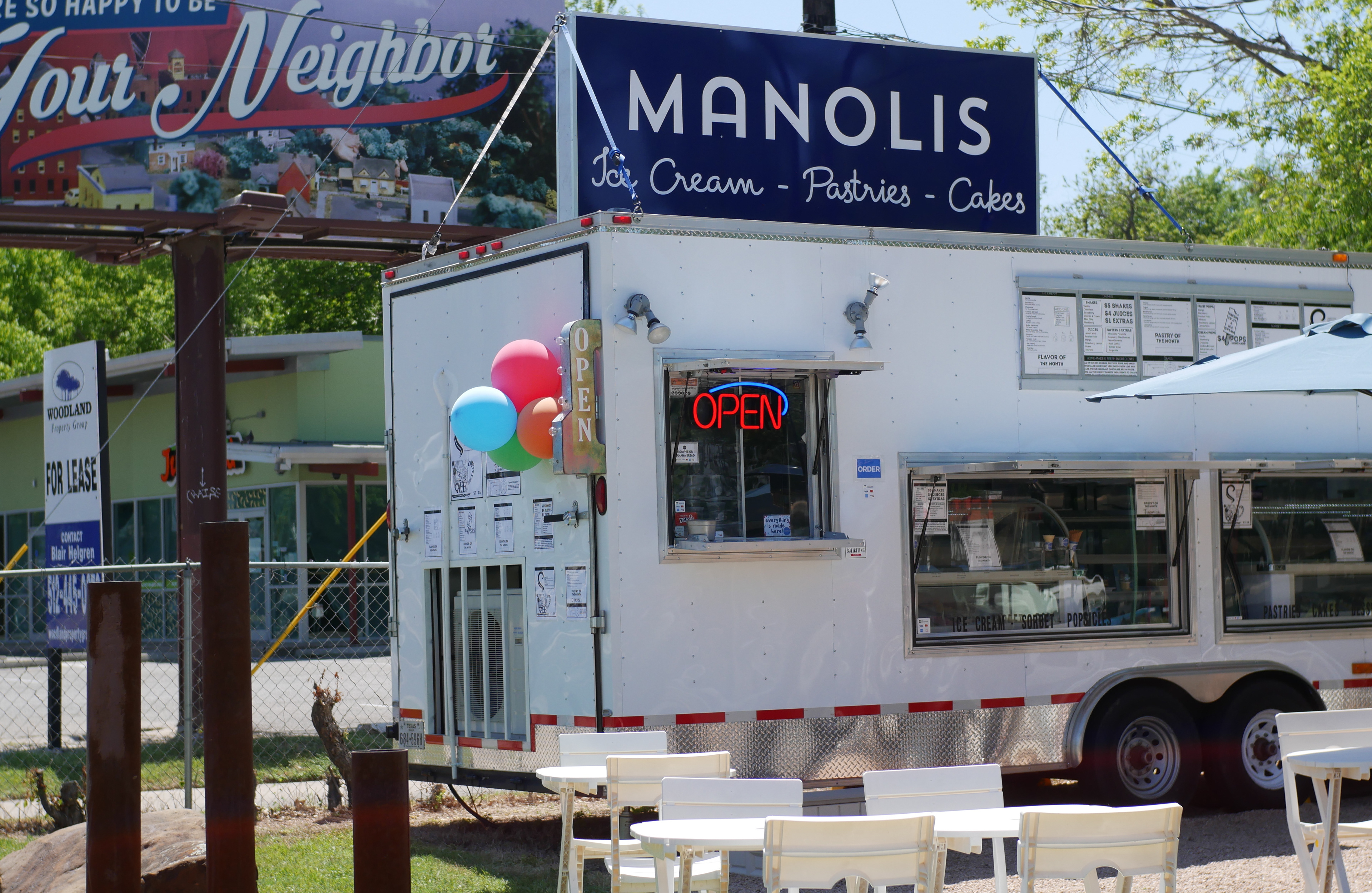
Manolis was a completely new business — no history, no guidelines, no precedent. The owners had a vision of making everything by hand right inside the trailer, and that craft-first ethos had to come through in every piece of design before a single customer ever tasted the ice cream.
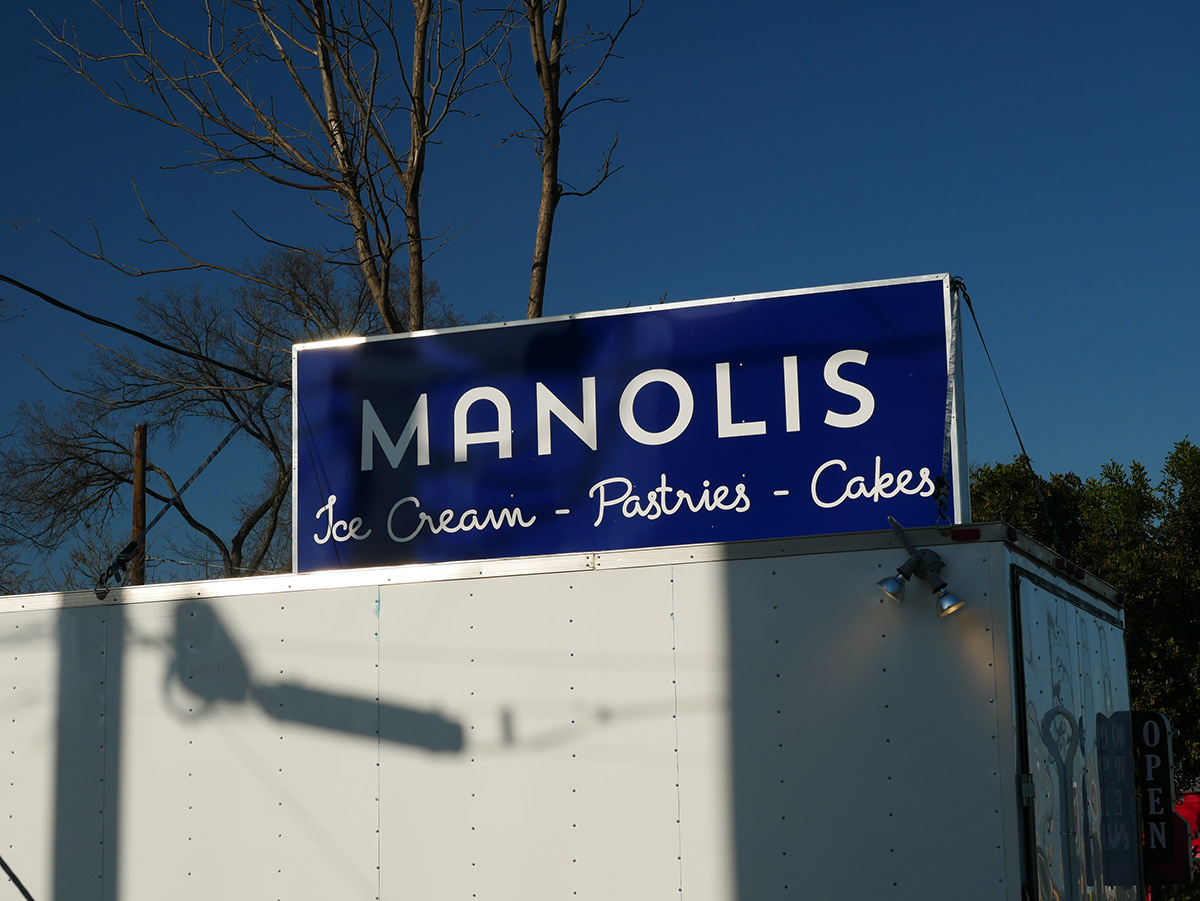
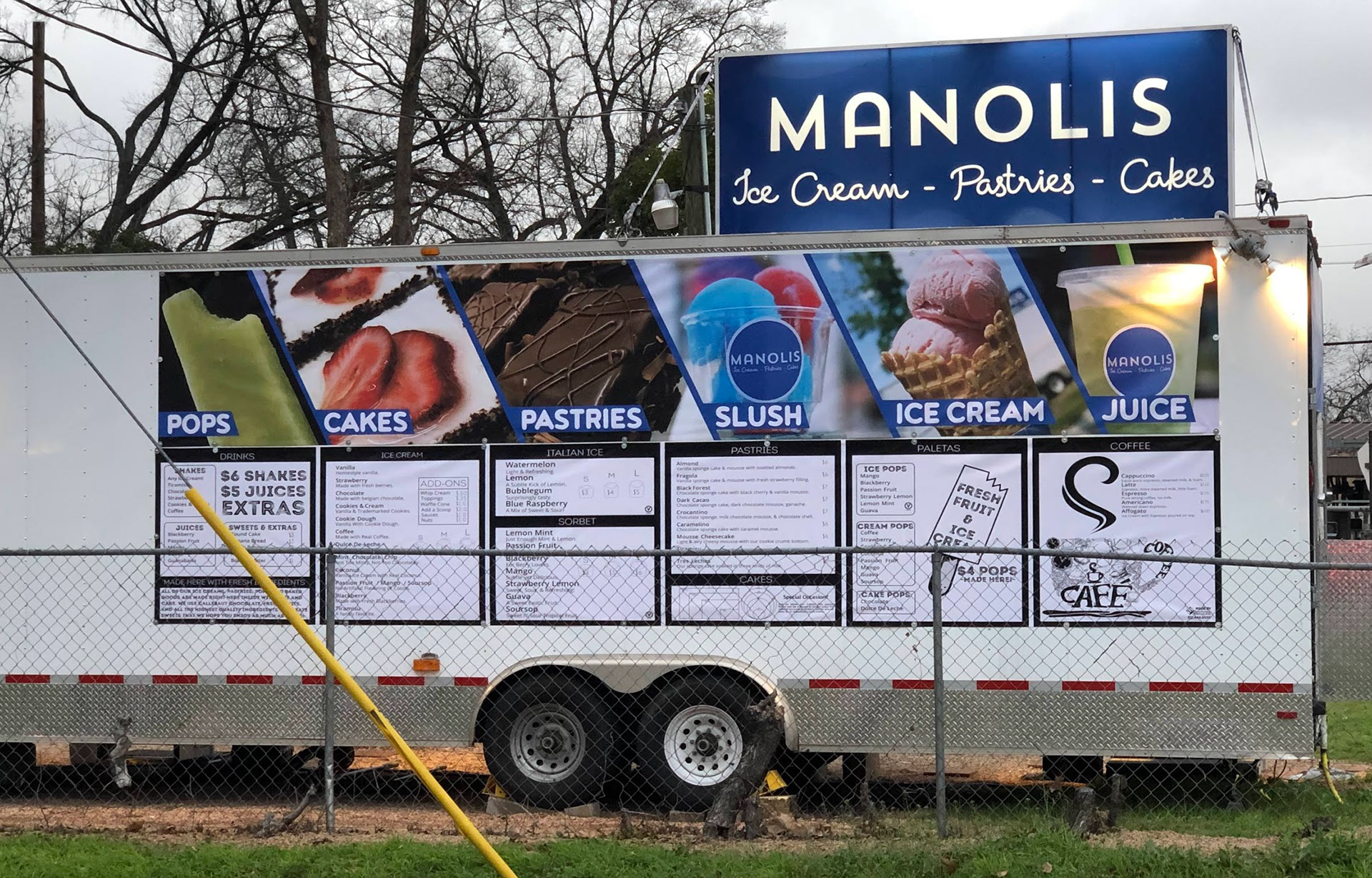
The front-of-truck banner needed to be readable by cars driving down the street. I kept it clean and simple — the cursive script at the bottom keeps it friendly and approachable: a place that's here to make your day a little sweeter.


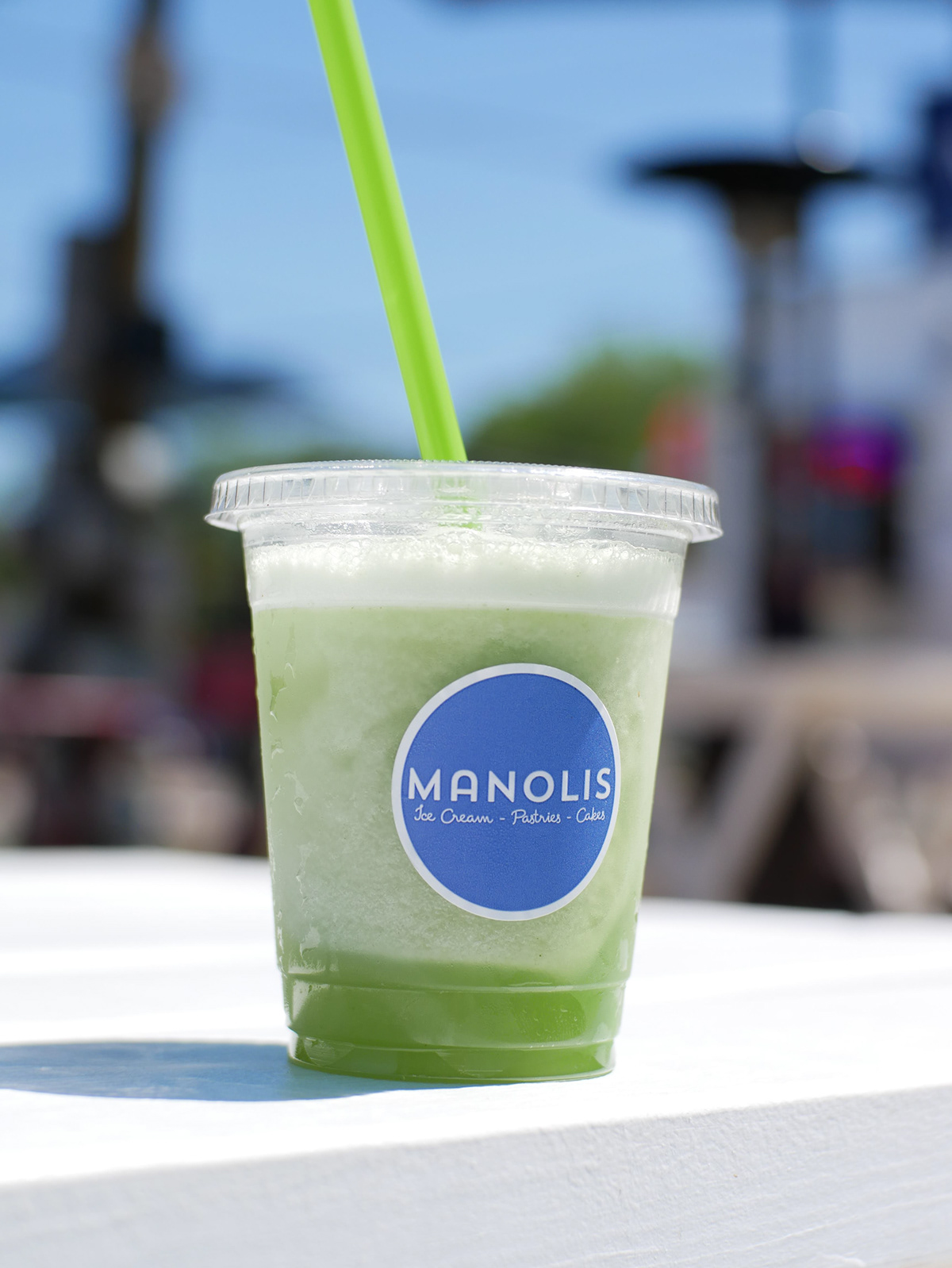
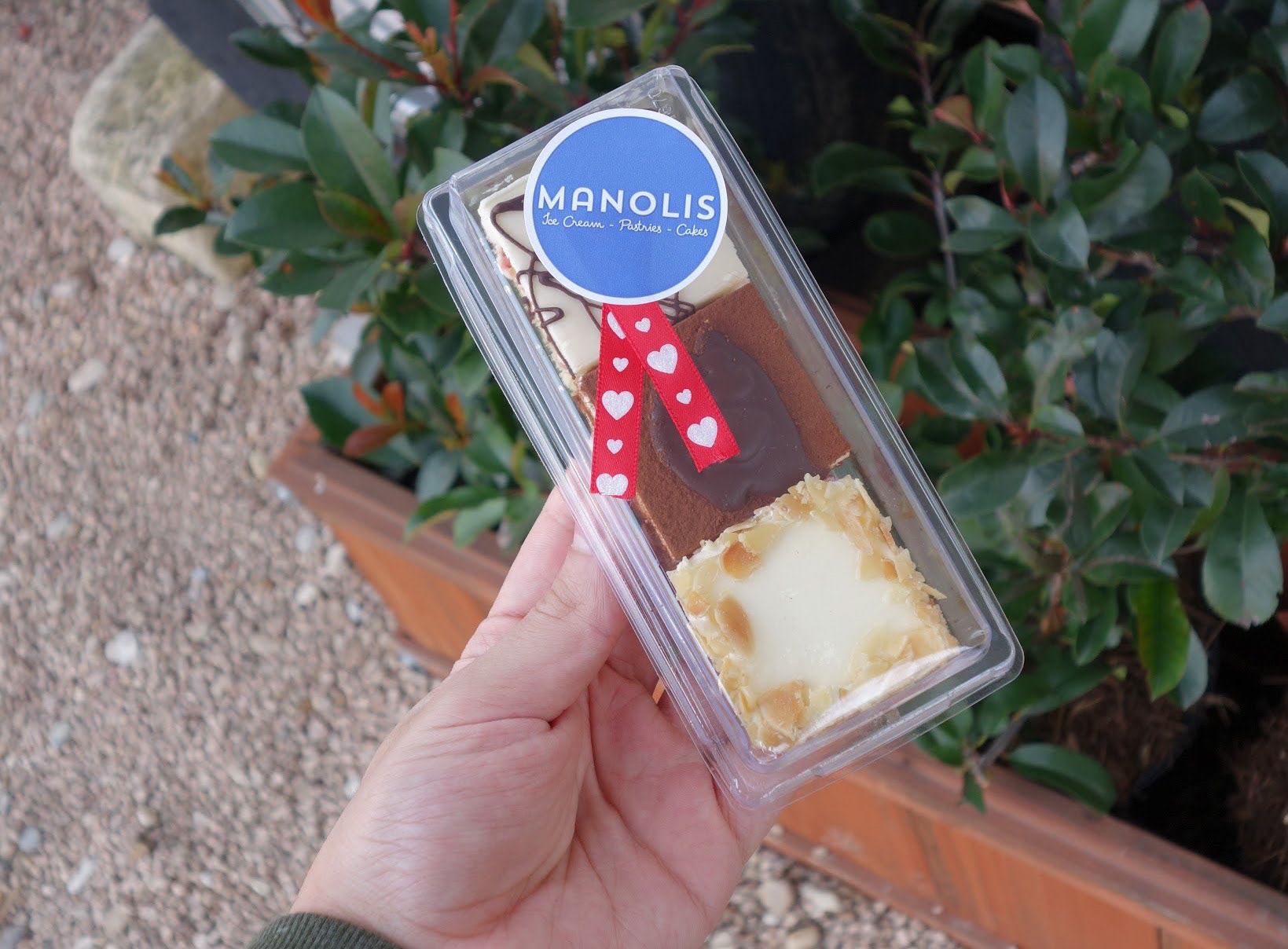
For the main sticker I went with a round, minimal design — just the core logo and nothing else. The quality of the products is very high and unique, so I wanted the packaging to reflect that restraint. A fussy sticker would have worked against it.

Two more examples of the sticker in context on actual items sold at the location — pints and pastry boxes — where it reads as a mark of craftsmanship rather than just a label.


This ended up being everyone's favorite. It then inspired the direction of all the other branding and promo materials.


Explorations into other color palettes and sticker designs. None of these ended up being used — the middle one was almost the front of the business card, but we went with something cleaner.


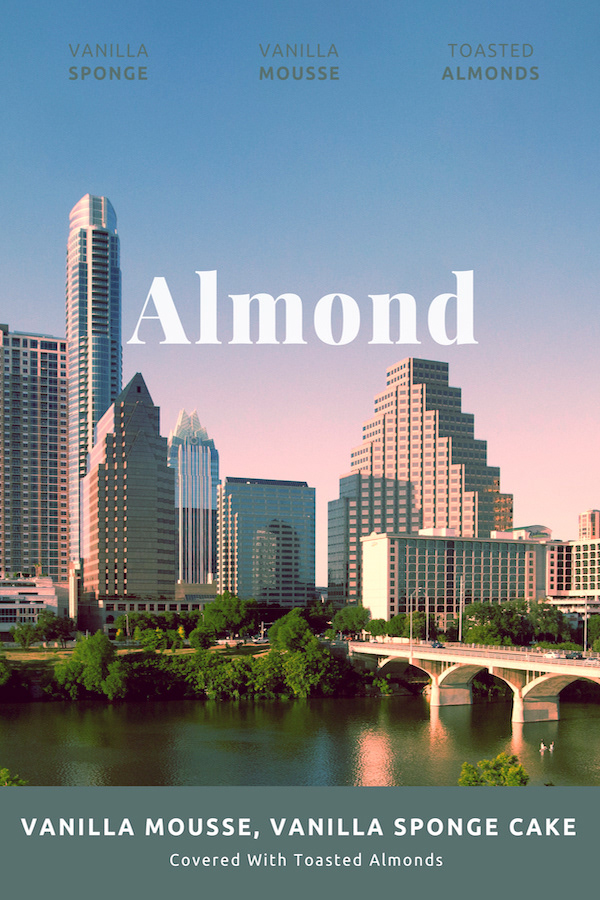
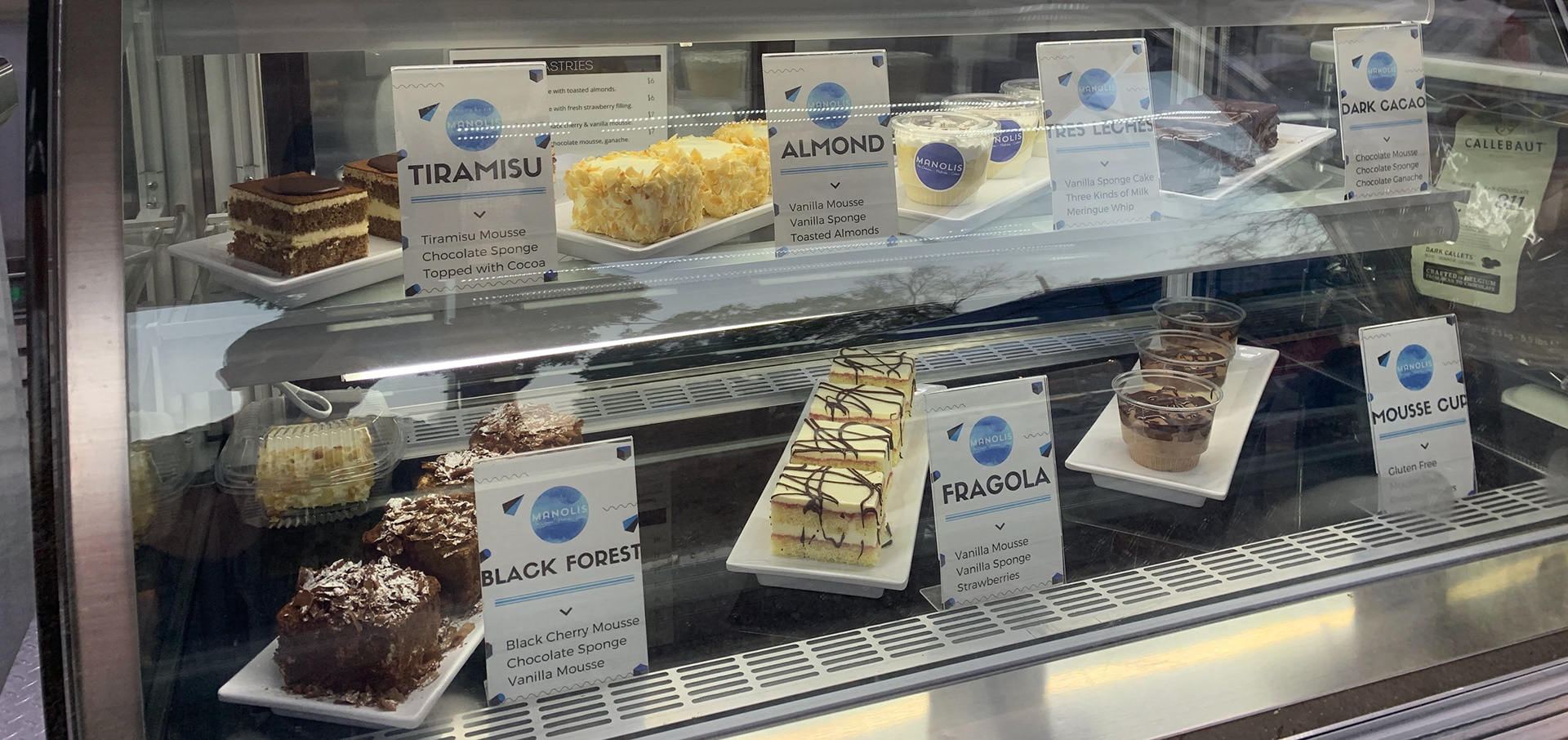
The first pastry signs used location photography as the background — Austin skyline, local landmarks — with a large serif flavor name overlaid, ingredient callouts at the top, and a dark footer listing the full description. Built fast to get the store open on day one.
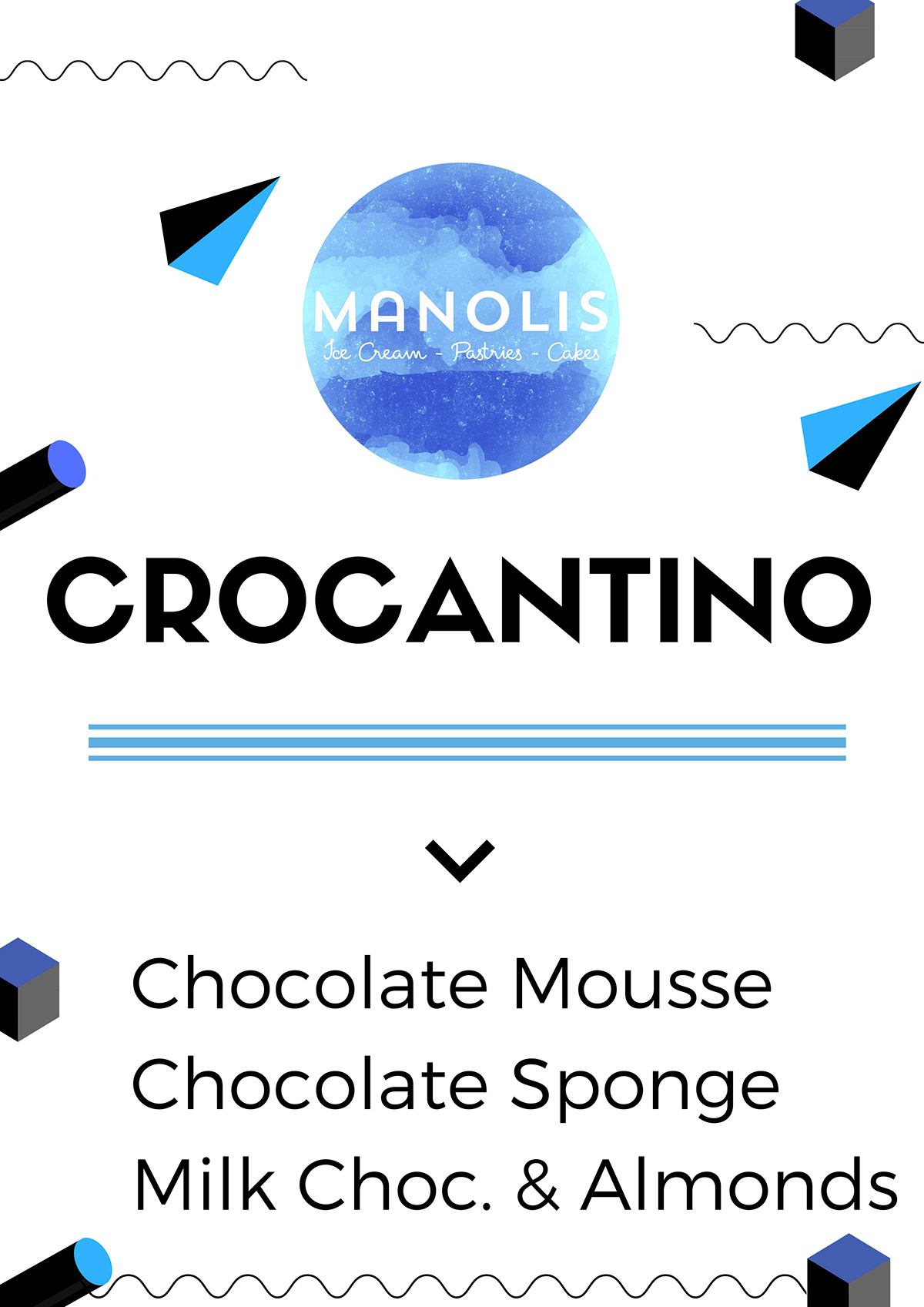
As the brand developed, the photo cards got replaced entirely. The evolved version dropped the photography for the familiar artisanal logo paired with blue geometric shapes — modern, simple, and fun, consistent with everything else in the identity system.
Nothing fancy — straight to the point.
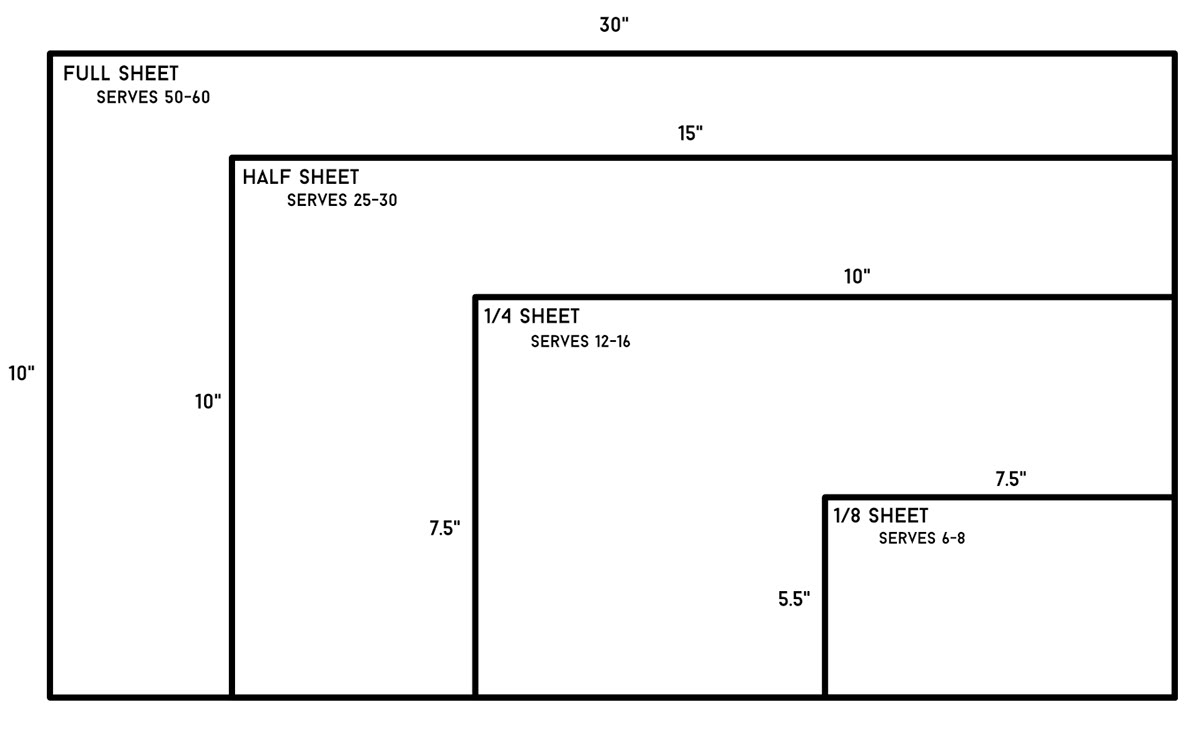
A simple design to show customers what size to order — same visual language as the rest of the identity, useful enough that it basically eliminated the sizing conversation entirely.
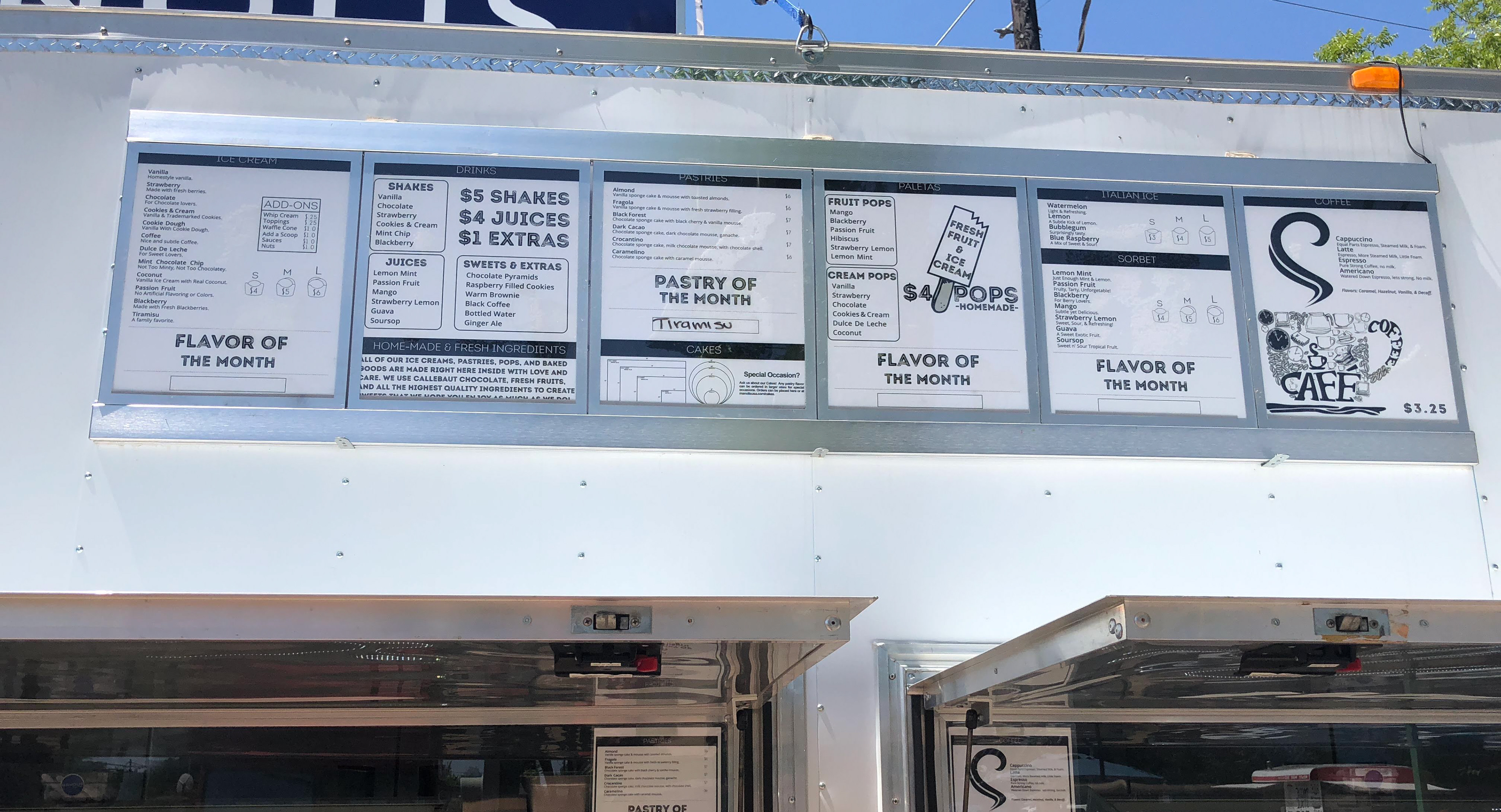
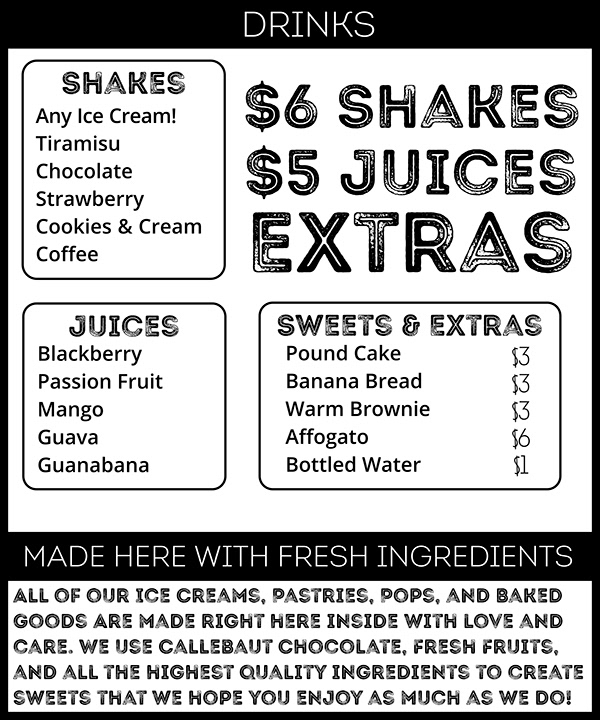
The menu boards are illuminated, so everything had to be designed in black and white — high contrast, easily readable, and cheaper to print since these get updated constantly as new items are added.
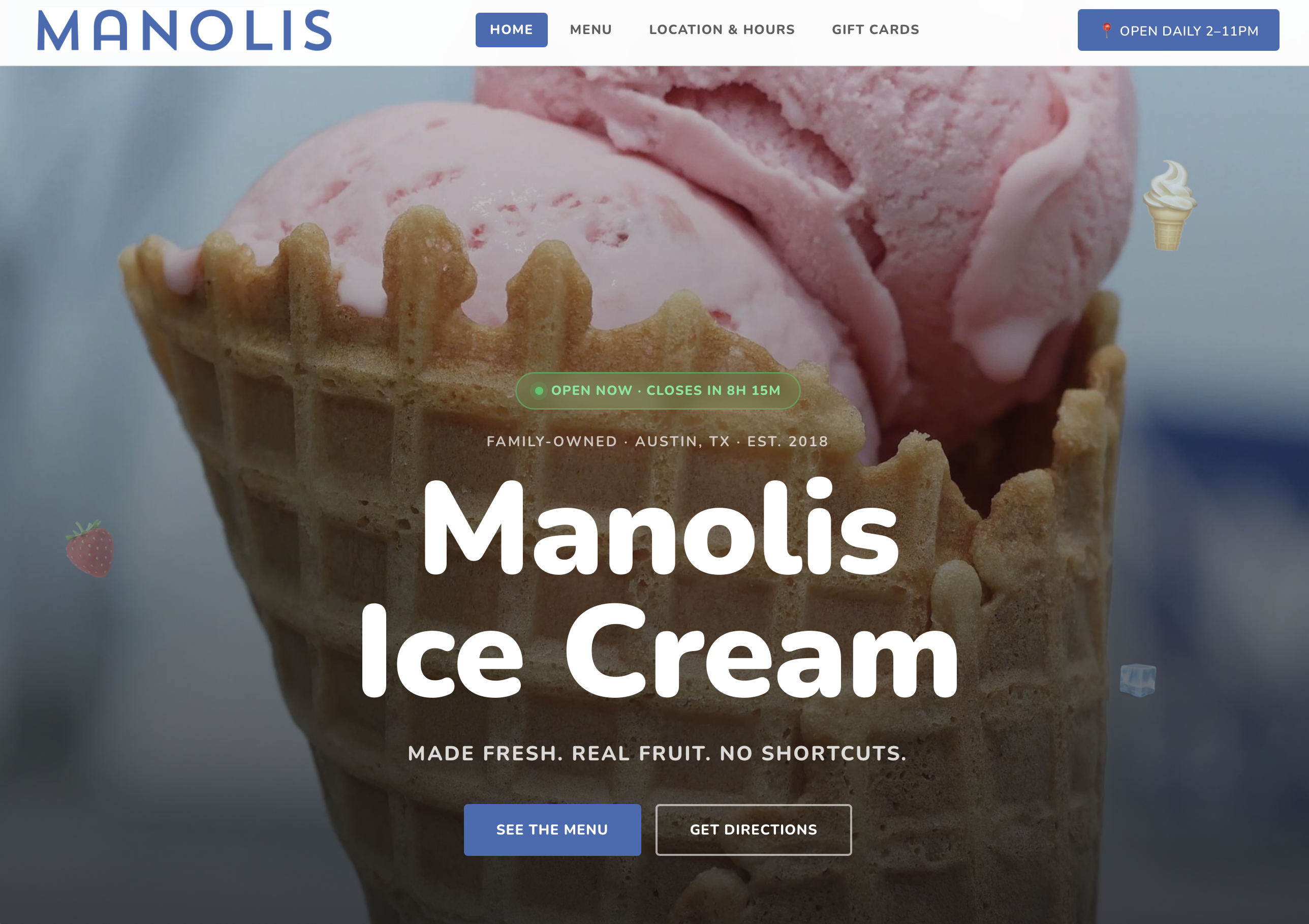
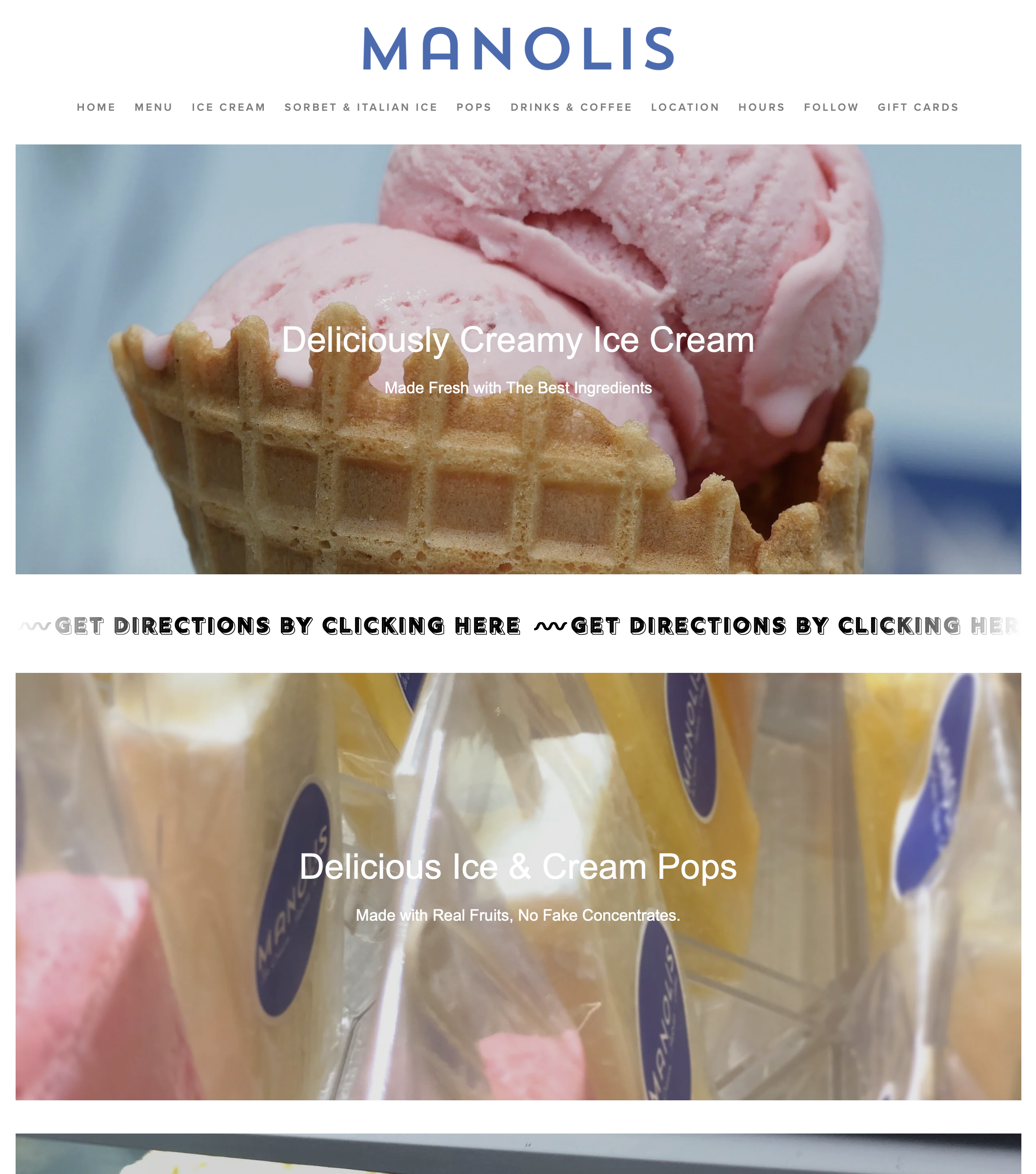
Left: the 2026 rebuild — custom SPA, live hours pill, centered layout. Right: the old Squarespace 7.0 template it replaced. Same photo, completely different experience.
Squarespace hosted every site photo on its own CDN. Cancelling the subscription — which the business needed to do to cut costs — would have instantly broken every image on the live site with no recovery path. All assets had to be rescued and localized before the account could be deleted.
Beyond that: Squarespace couldn't remap the URLs already printed on hundreds of physical QR codes, blocked fine-grained SEO customization, and charged a monthly fee for a site that Netlify could host for free with better performance and full control.
The new site is a true single-page app with JavaScript hash routing — every section (Home, Menu, Location, Gift Cards) is reachable by direct URL like manolisusa.com/#menu. That means Google Business Profile links, QR codes, and social bios can all point to specific sections, not just the homepage.
Old Squarespace paths — /menu, /locations, /gift-cards — all 301-redirect to the new hash routes via netlify.toml so every existing QR code still works without any physical replacement.
The old site listed menu items as typed text — always outdated, visually disconnected from the actual in-store experience. The rebuild uses the real designed menu boards as full-width images, organized across 7 tabs: Ice Cream, Specials, Non-Dairy, Sorbet & Italian Ice, Pops, Affogato, and Shakes.
All 7 images were converted from PNG to WebP, cutting the total menu image payload from ~6.3 MB to ~850 KB — an 87% reduction. On mobile, the tab bar switches from horizontal scroll to a 2×2 CSS Grid so all tabs are visible at once with no hunting.
Every homepage section redesigned around a centered single-column layout — hero, story, stats, featured treat, press strip, location — so the hierarchy reads immediately on mobile. Animated count-up stat numbers trigger on scroll. The Affogato section was updated to replace a retired item with a dedicated "See Our Menu" CTA.
A floating live-hours pill appears while browsing the menu. Tapping it opens Google Maps directions to the shop — converting menu browsing into foot traffic. An Instagram callout at the bottom of each menu tab turns passive views into active community invites.
Visit manolisusa.com →Full IceCreamShop JSON-LD schema with address, hours, geo-coordinates, amenities, and award data. Open Graph, canonical tag, geo meta, sitemap, and robots.txt — all targeting "ice cream Austin TX."
Manolis stopped accepting tips in 2026 (tax is included in all prices). Turned a plain black strip into a full-bleed branded section with an orange gradient — the complementary color to Manolis Blue — so it reads on-brand and feels like a statement, not a footnote.
Buried inside the No Tips section: tap the animated ice cream cone and a Flappy Bird-style canvas game opens — "The Secret Scoop." The cone flaps through gap obstacles (scoops and cups) built entirely in vanilla JS with a requestAnimationFrame game loop. No libraries, no dependencies.
Progressive difficulty: speed increases and the gap shrinks as the score climbs. High score persists in localStorage. The game pauses automatically when the user navigates away, and a Safari roundRect polyfill ensures it works across all browsers. "Play Again" and "See Our Menu" on game over — even the end screen converts.
Beyond the visual identity, I built and managed all of Manolis's social media profiles from scratch — establishing the brand presence on Instagram and Facebook, setting up profile assets, writing bios, and maintaining a consistent visual voice across every platform. The logo, color system, and typography translated directly into the social layer so the brand felt unified whether someone encountered it on the truck, the website, or their feed.
I monitored and responded to customer feedback across platforms to keep the brand's reputation in lockstep with the quality of the products. The result speaks for itself.